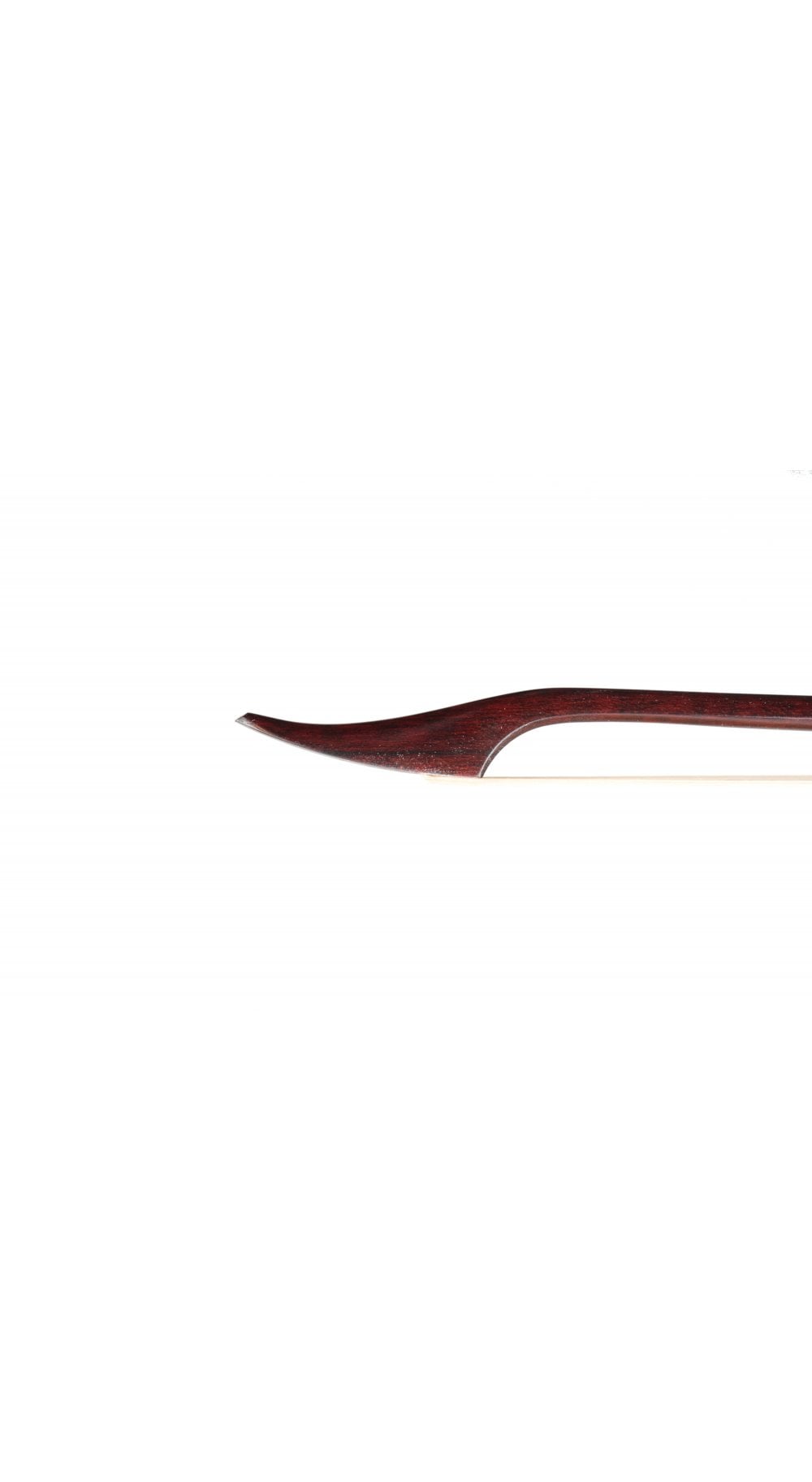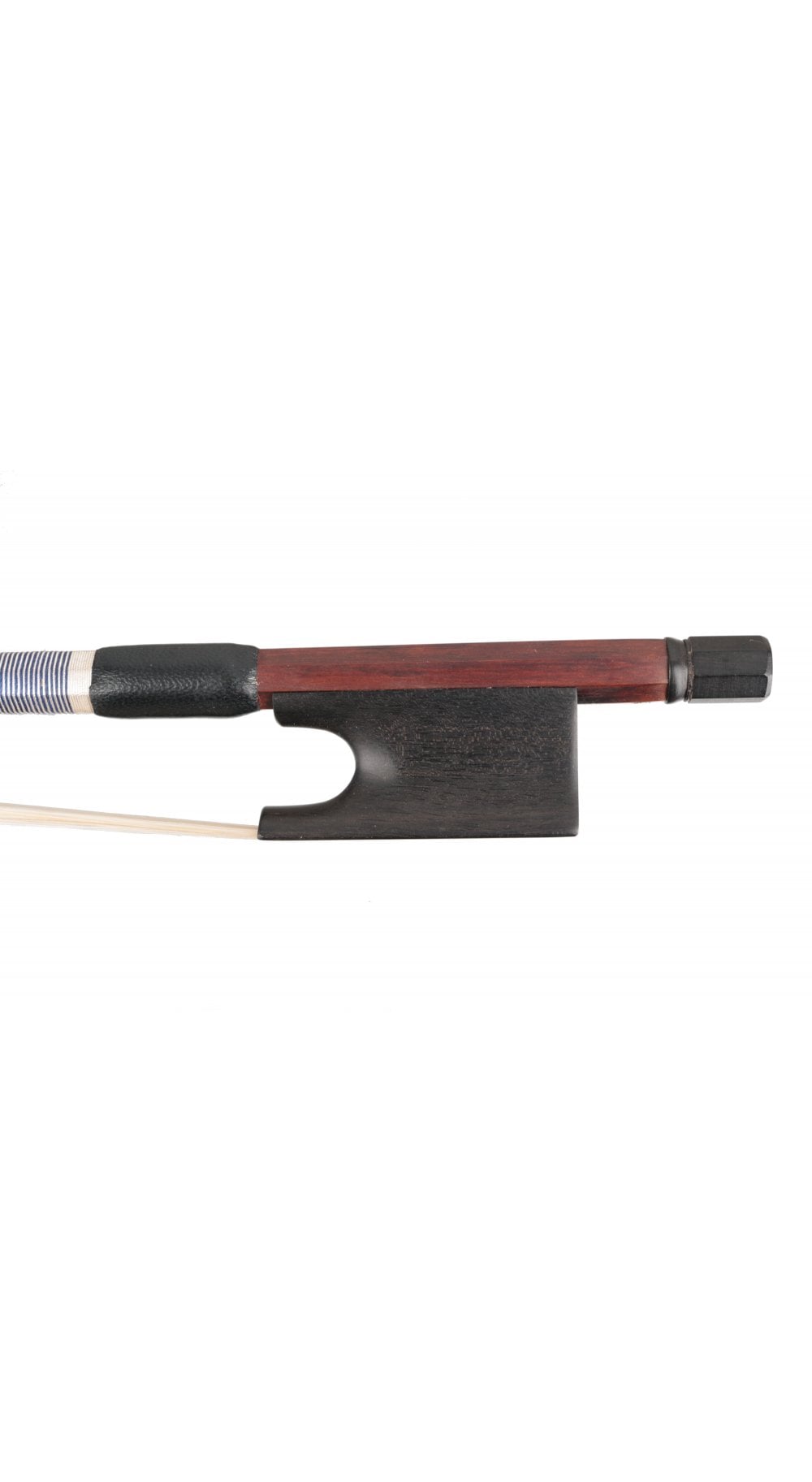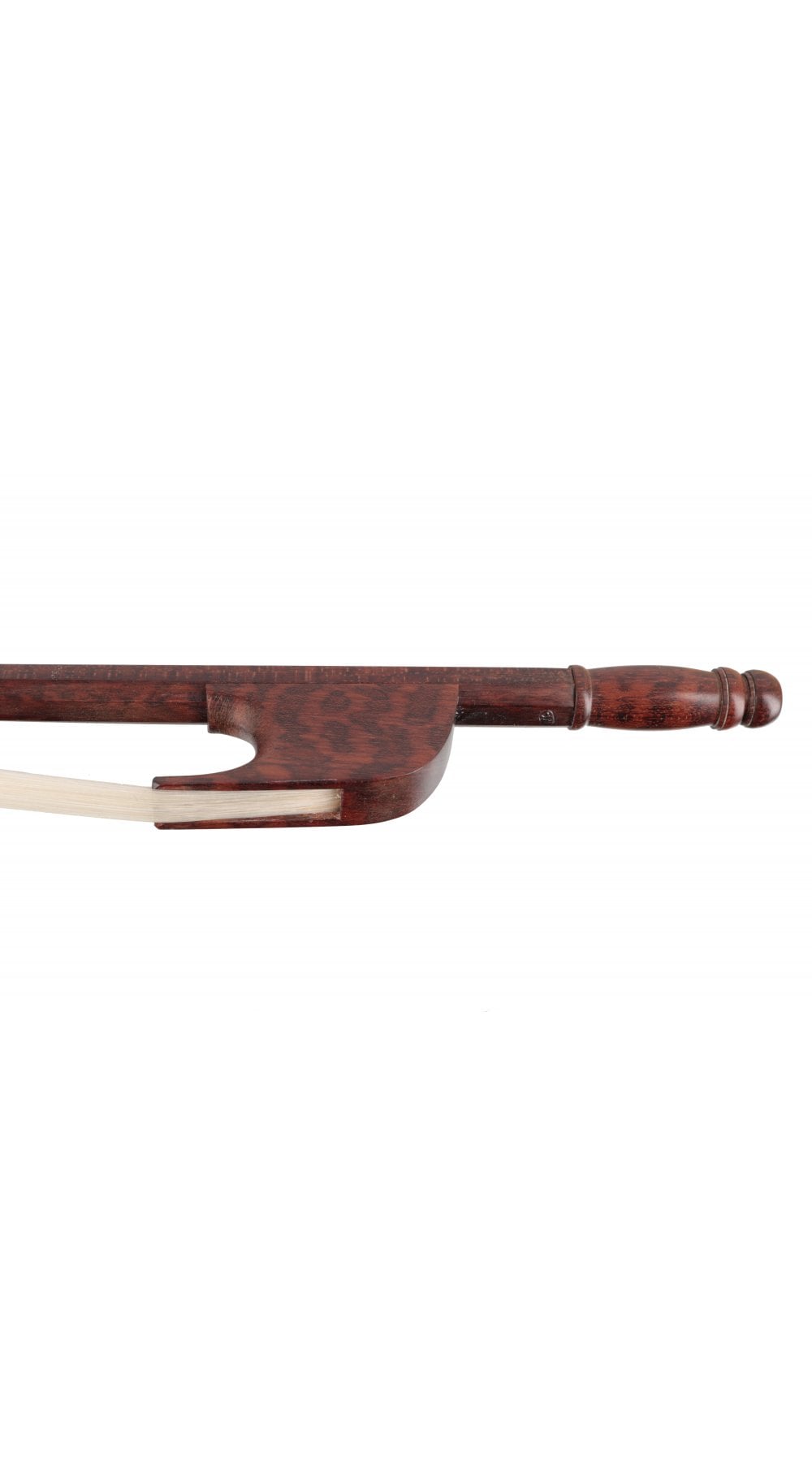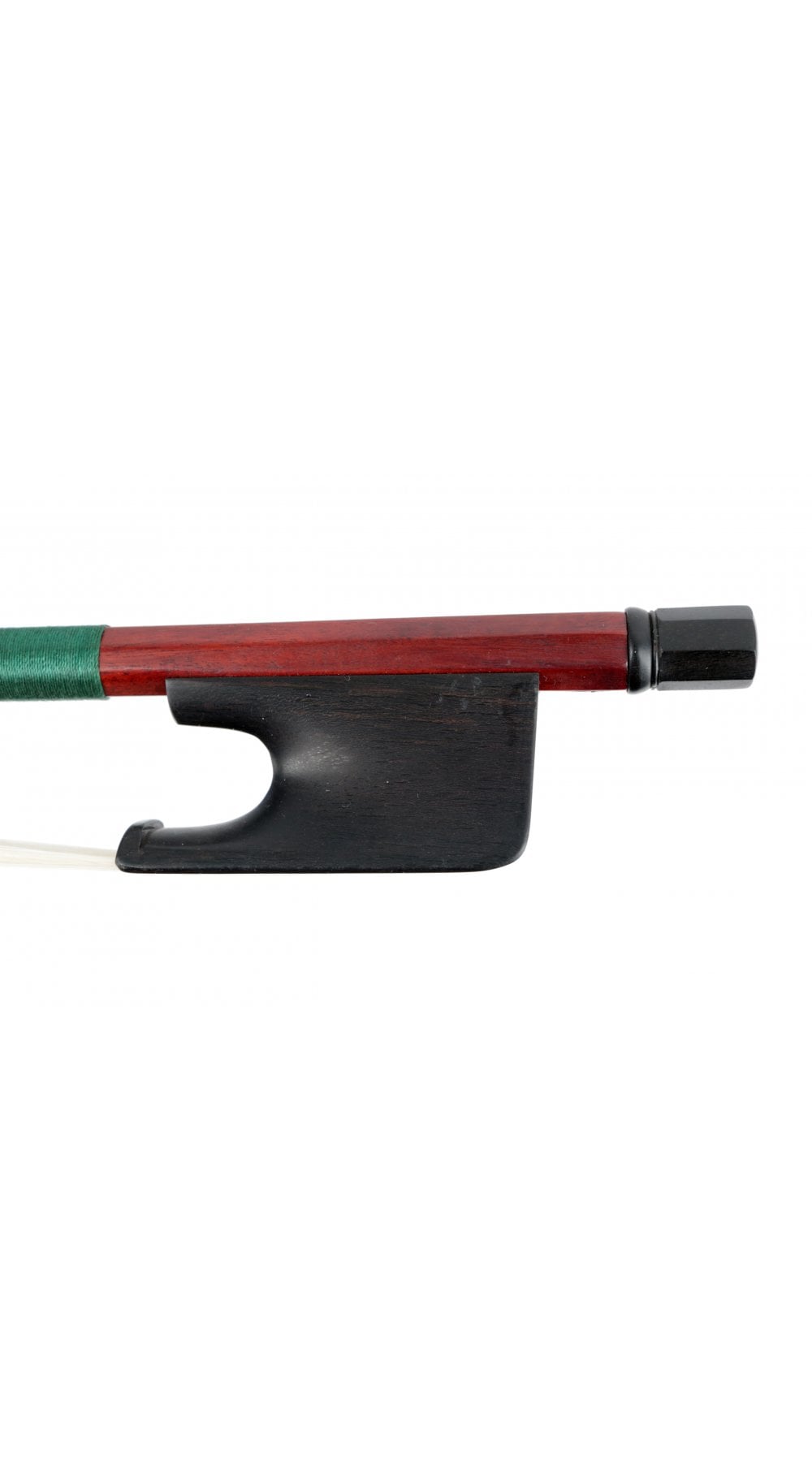
Classical cello bow probably by James Brown c.1830
£7,000.00

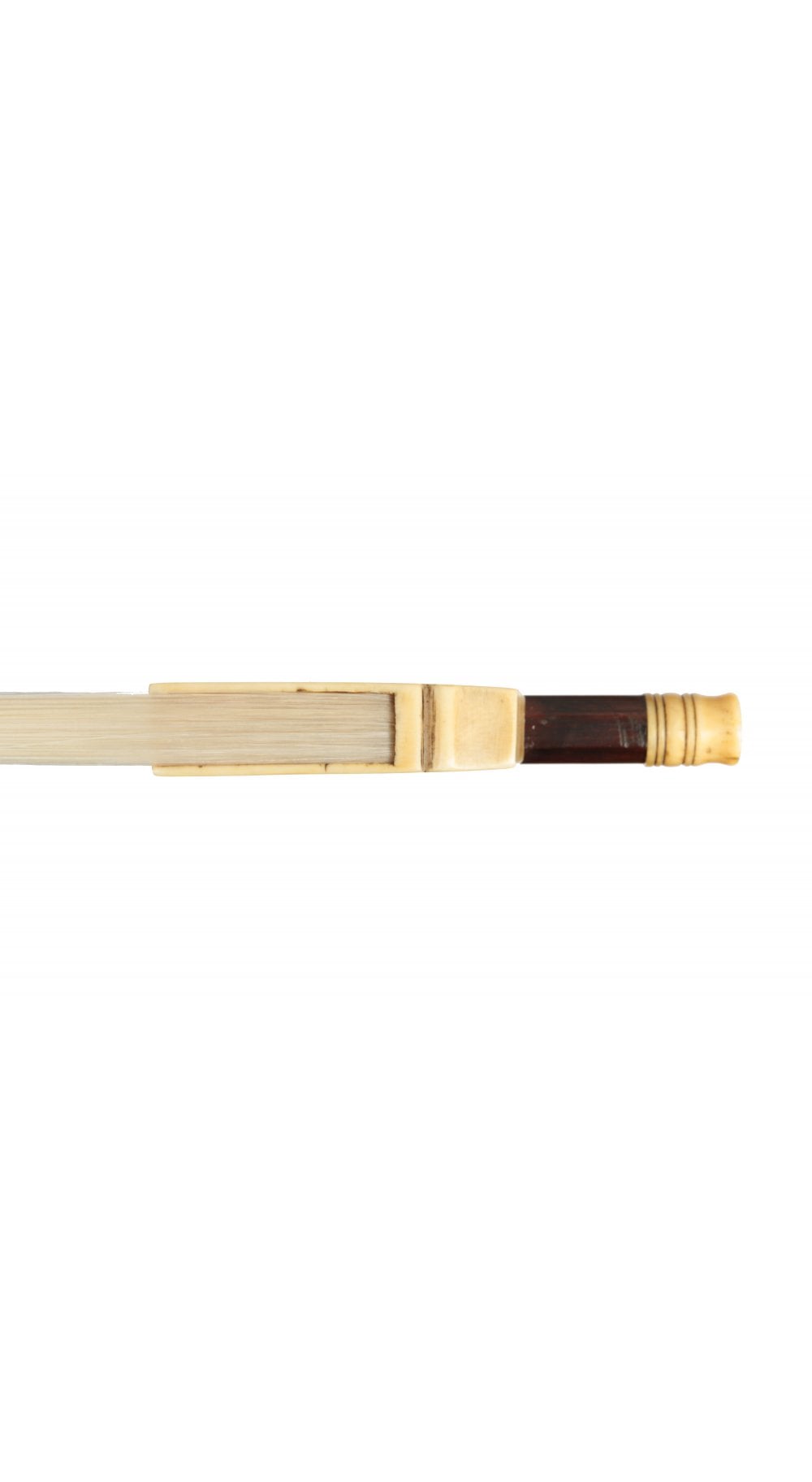
John Dodd, born in 1752 and died in 1839, was a highly esteemed British bowmaker renowned for his exceptional craftsmanship. He is widely regarded as one of the greatest bowmakers in history. Dodd was a contemporary of François Tourte, the French bowmaker credited with revolutionizing the modern violin bow. Dodd's bows were highly regarded for their outstanding tonal quality, strength, and projection. Originally from London, Dodd initially pursued a career as a gunlock fitter before transitioning to become a money-scale maker. However, it was in the late 1780s that he found his true calling in bow-making and swiftly established himself as one of the foremost artisans in London. Despite his remarkable skill and reputation, Dodd endured a life of poverty. Tragically, he passed away in 1839 while residing in a workhouse in Richmond, Surrey. Dodd's bows continue to be regarded as some of the finest examples of violin bow-making ever produced. Their enduring legacy is a testament to Dodd's unparalleled craftsmanship and contribution to the art of bow-making. The octagonal stick of Pernambuco of an orange-brown colour, plain open ebony frog inlaid with pearl eye, and plain faceted ebony adjuster. Faceplate ebony. The stick is stamped 'DODD', and the frog is stamped 'FORSTER'. The head has been pinned (Matthew Coltman) Weight 80.9 grams